
Technology Report
September 27, 2026
Exoskeleton Rescue on Table Mountain
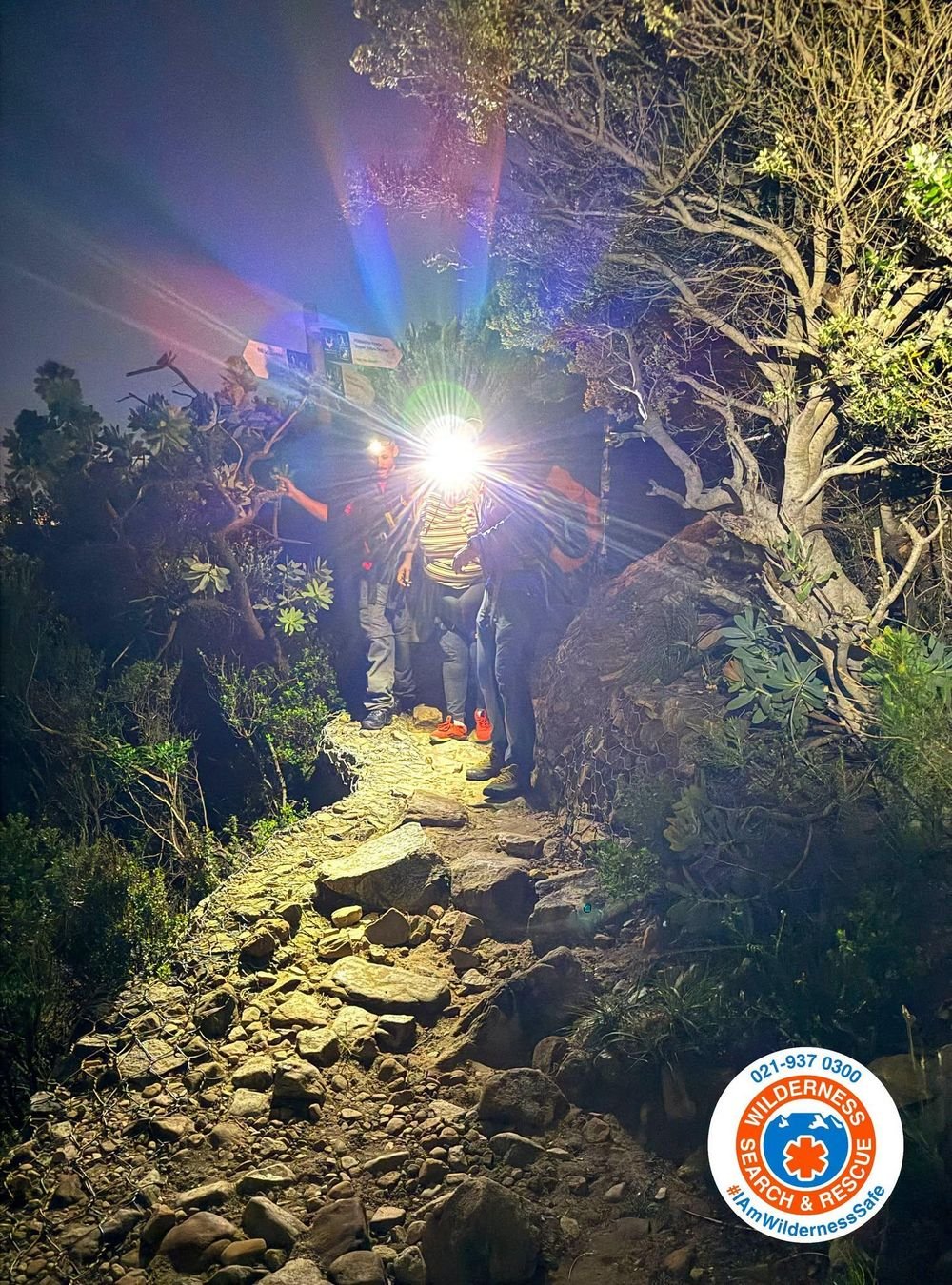
Wearable exoskeletons have mostly been pitched to hikers, factory workers and soldiers. On the night of Saturday, September 26, 2026, one was used on a rescue in Cape Town. As Cape Argus reported the next day, Wilderness Search and Rescue (WSAR) in the Western Cape fitted an exhausted 47-year-old hiker with a Hypershell exoskeleton so she could walk down Table Mountain’s Platteklip Gorge on her own feet. WSAR described it as the first deployment of an exoskeleton on a rescue in South Africa.
An exoskeleton is a powered frame worn on the body that adds force to the wearer’s own movement. The Hypershell unit WSAR used is lightweight and battery-operated, worn around the hips and thighs. According to the report, it provides powered assistance with each step as the wearer walks, taking some of the strain off tired legs.
The woman had climbed the popular route with her family. By the time they reached the summit, the Table Mountain Aerial Cableway had closed for the day, light was fading and a long, steep descent lay ahead, so the family called WSAR before starting down. A small team, including a Western Cape Government Health and Wellness EMS paramedic, went up to meet them. “Once it was fitted, her steps became steadier and her confidence grew,” WSAR said. “With the rescue team alongside her, she was able to continue the descent on her own two feet, with assistance from the exoskeleton.”
In a follow-up report on September 28, WSAR told IOL that the device allowed the hiker to walk down with assistance “rather than requiring a stretcher evacuation,” which would have needed more people and equipment. The team said the outing gave it evidence that assisted walking is safe, and that as incident numbers rise it needs ways to respond “without unnecessarily committing large numbers of rescuers and resources to incidents that can be safely resolved with the right technology and approach.” WSAR added that the decision about which approach to use still belongs to the rescuers assessing the person and the conditions.
The reports do not say which Hypershell model was used, how many units WSAR has, or how long the descent took. Hypershell, a consumer exoskeleton brand, was not quoted.